Independent Cigar Region Guides · 21+
Cigars North America: Your Guide to the World's Cigar Regions
An independent, fact-checked guide to premium cigars and the places that grow them. Hover a marker to preview a guide; tap to visit.
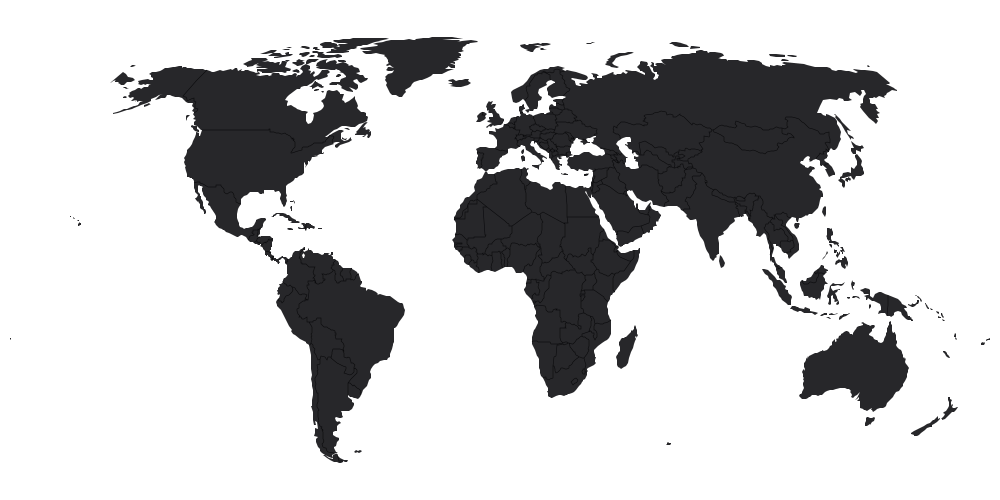
North America
Central America & Caribbean
Europe
Asia & Middle East
Africa & Oceania
Cigars North America is an independent network of guides to premium cigars and the regions that grow them. Each guide is written for adults 21 and over and checked against primary sources such as customs agencies, health ministries and industry import data. We explain where tobacco is grown, how cigars are made, how to store and enjoy them, and the laws that apply where you live or travel.
We do not sell tobacco. Our goal is simple: give cigar lovers clear, accurate information in one place, without the marketing fluff.

Featured Guides
Start with our most complete guides. Each one is a multi-page resource with sources, FAQs and links to related regions.
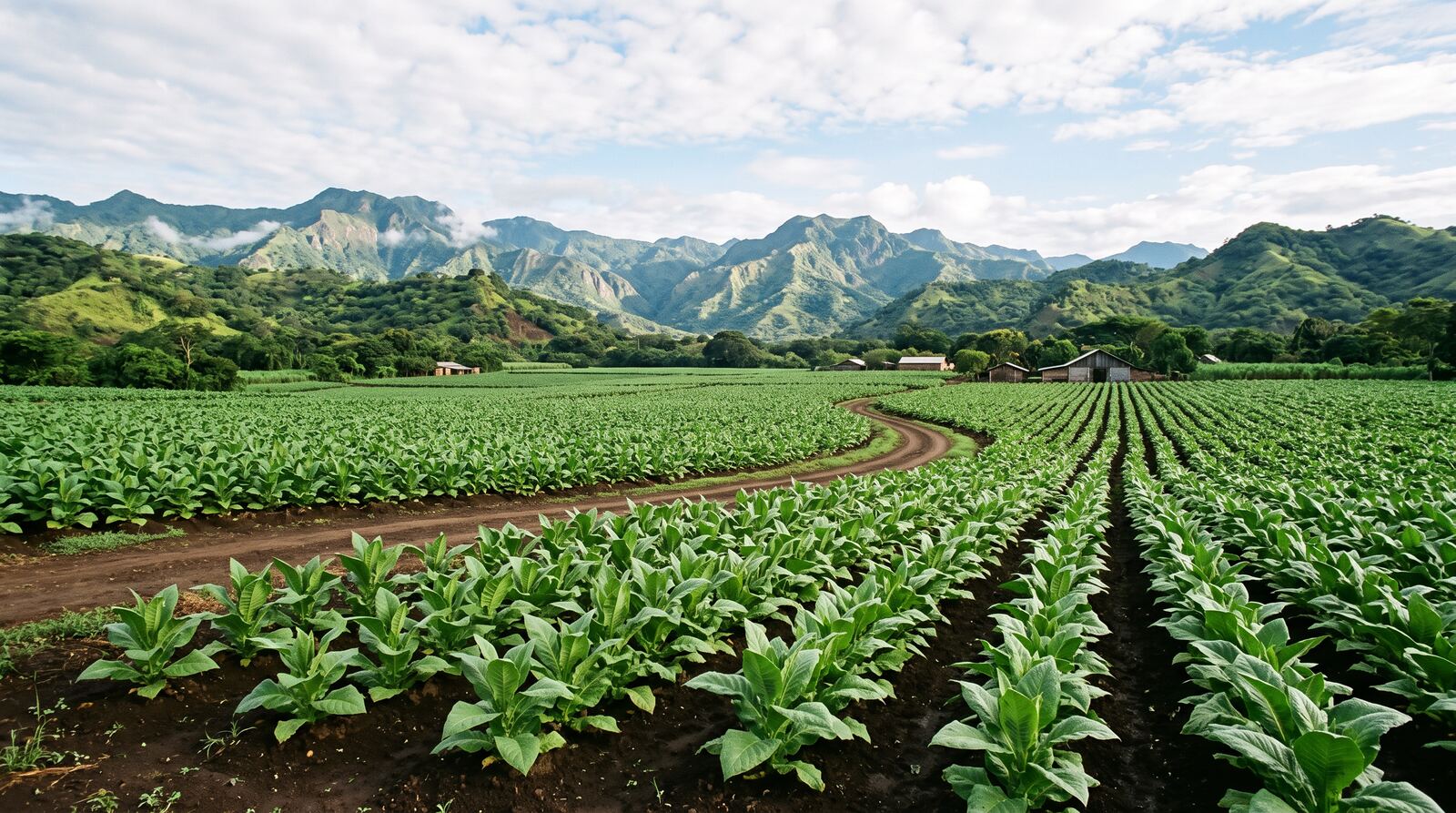

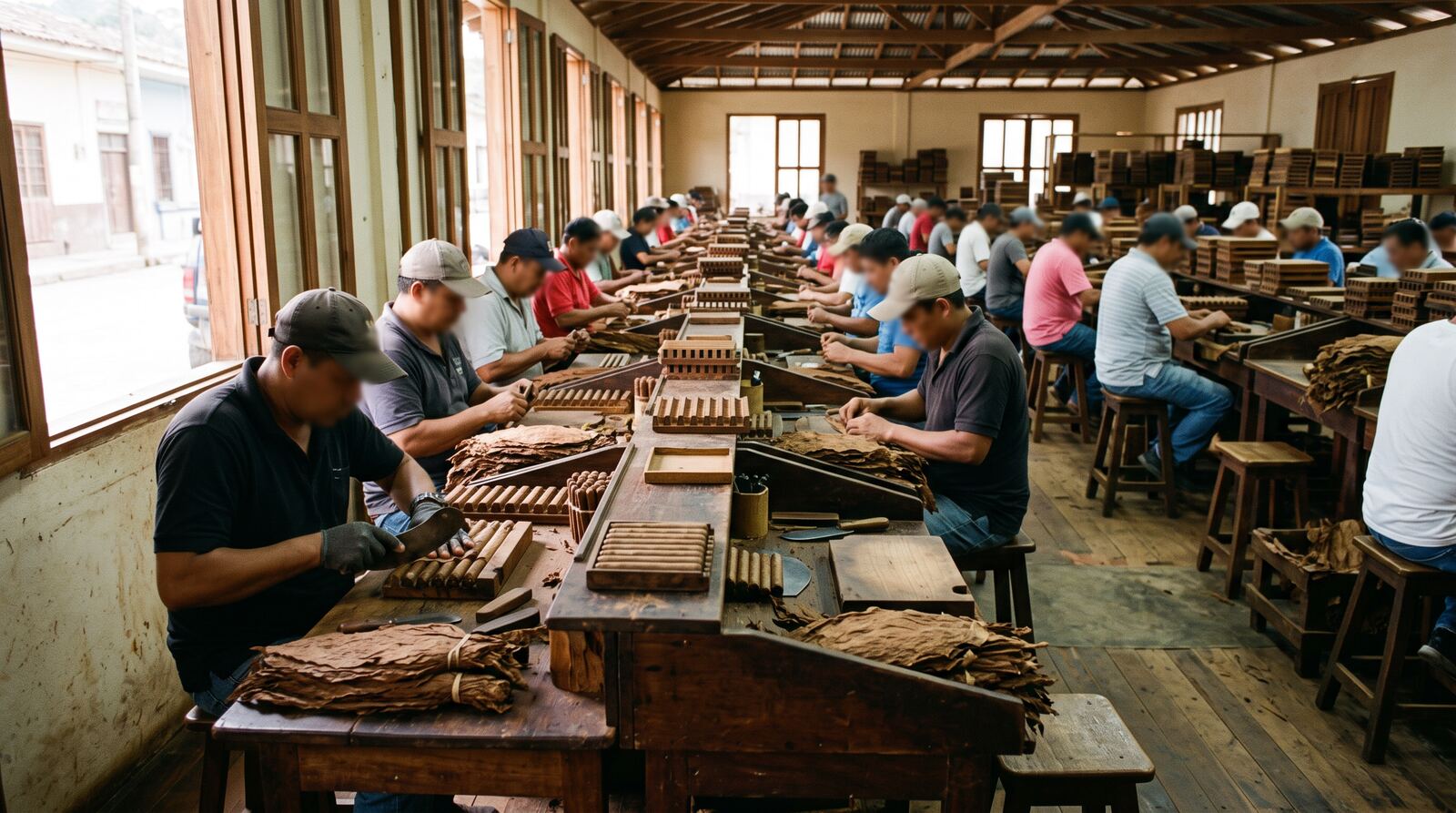
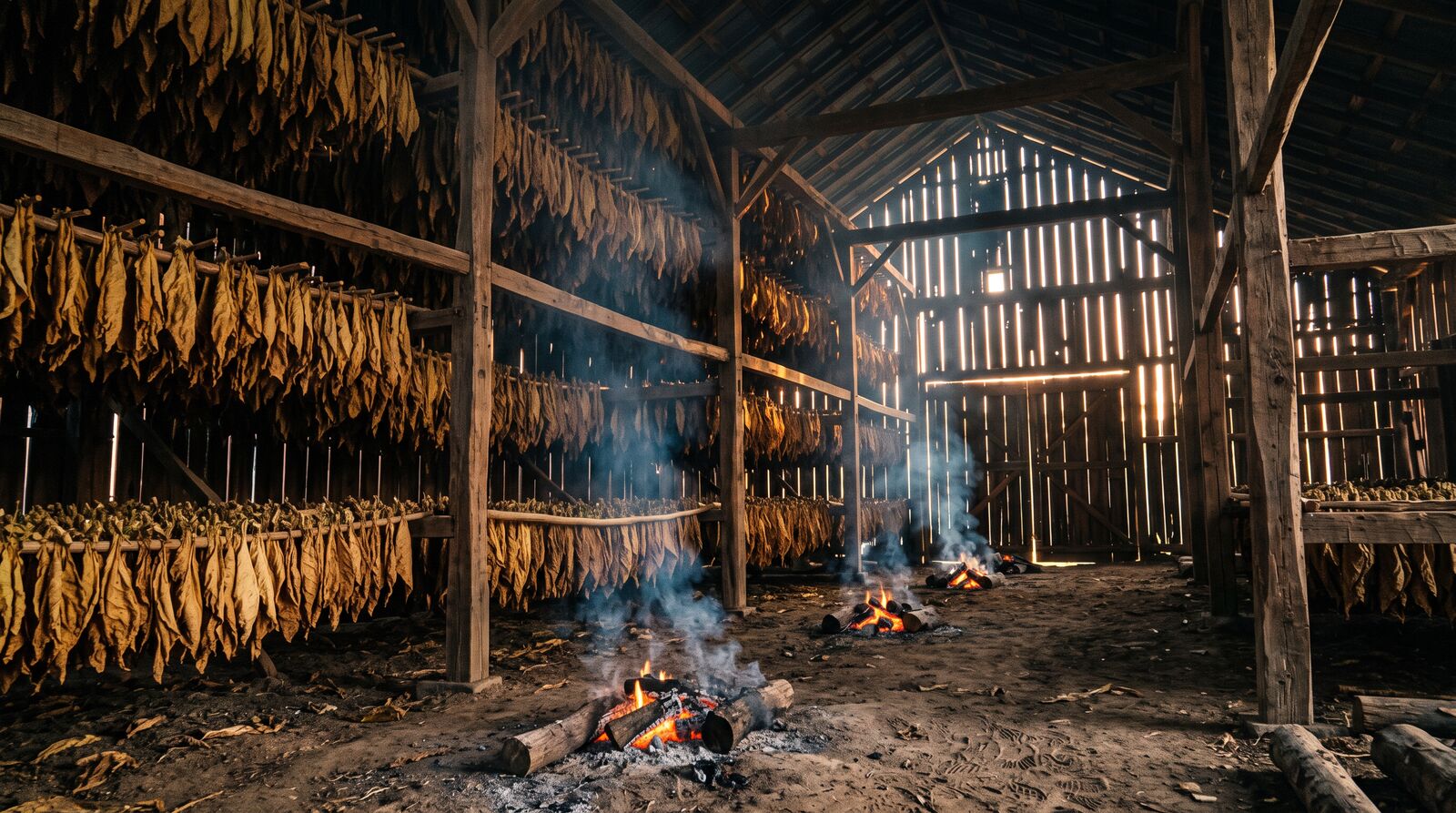
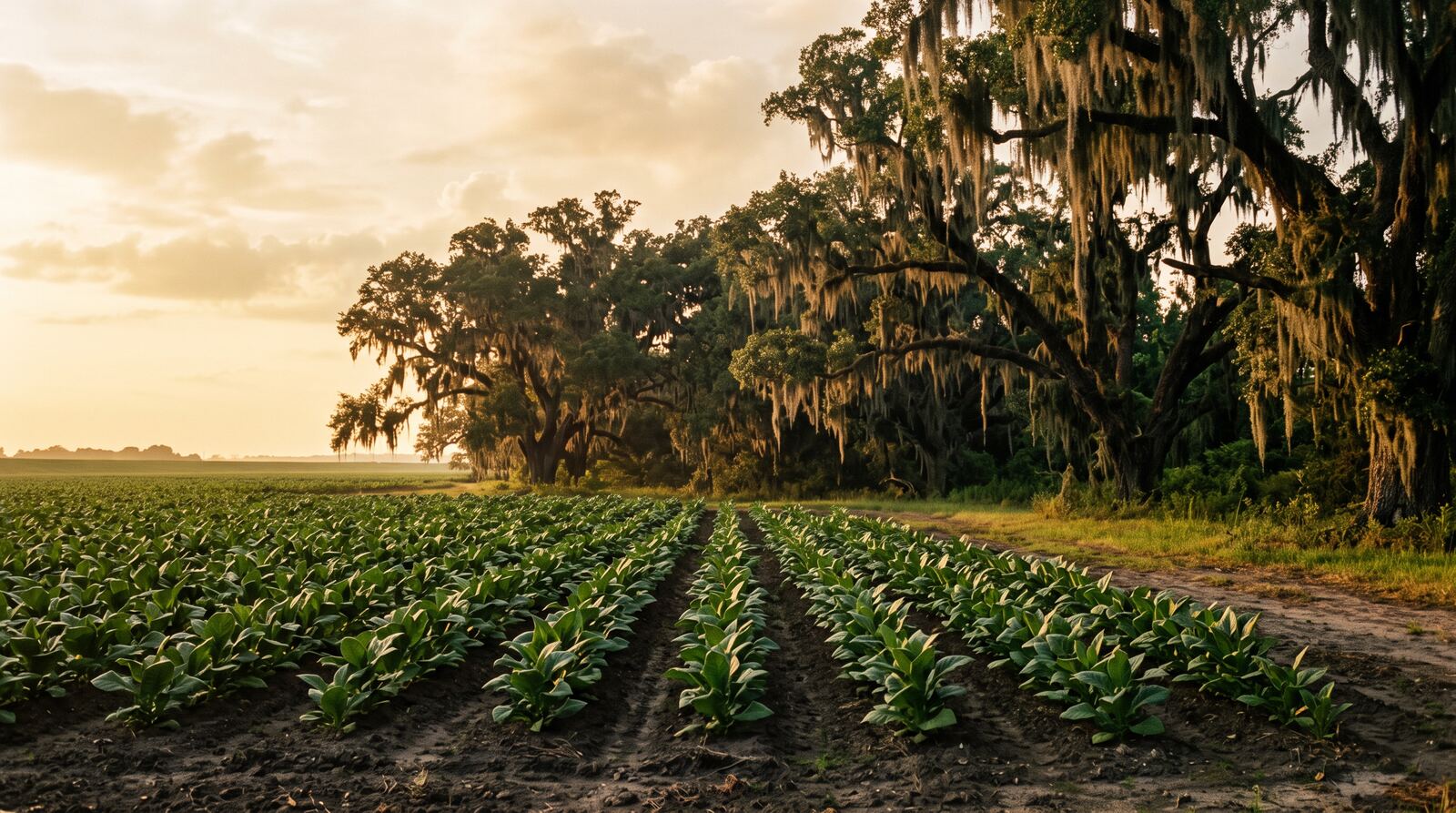
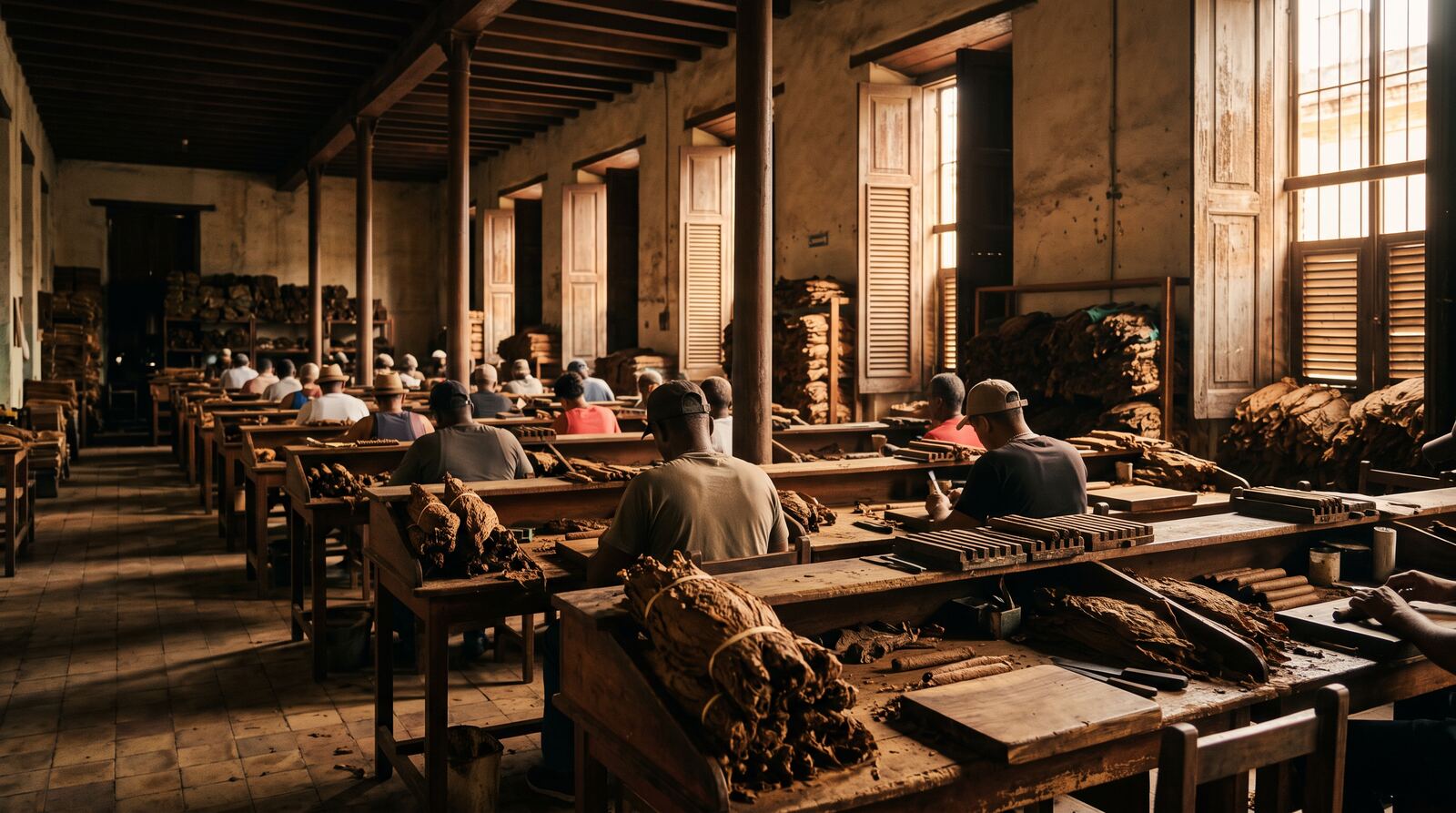
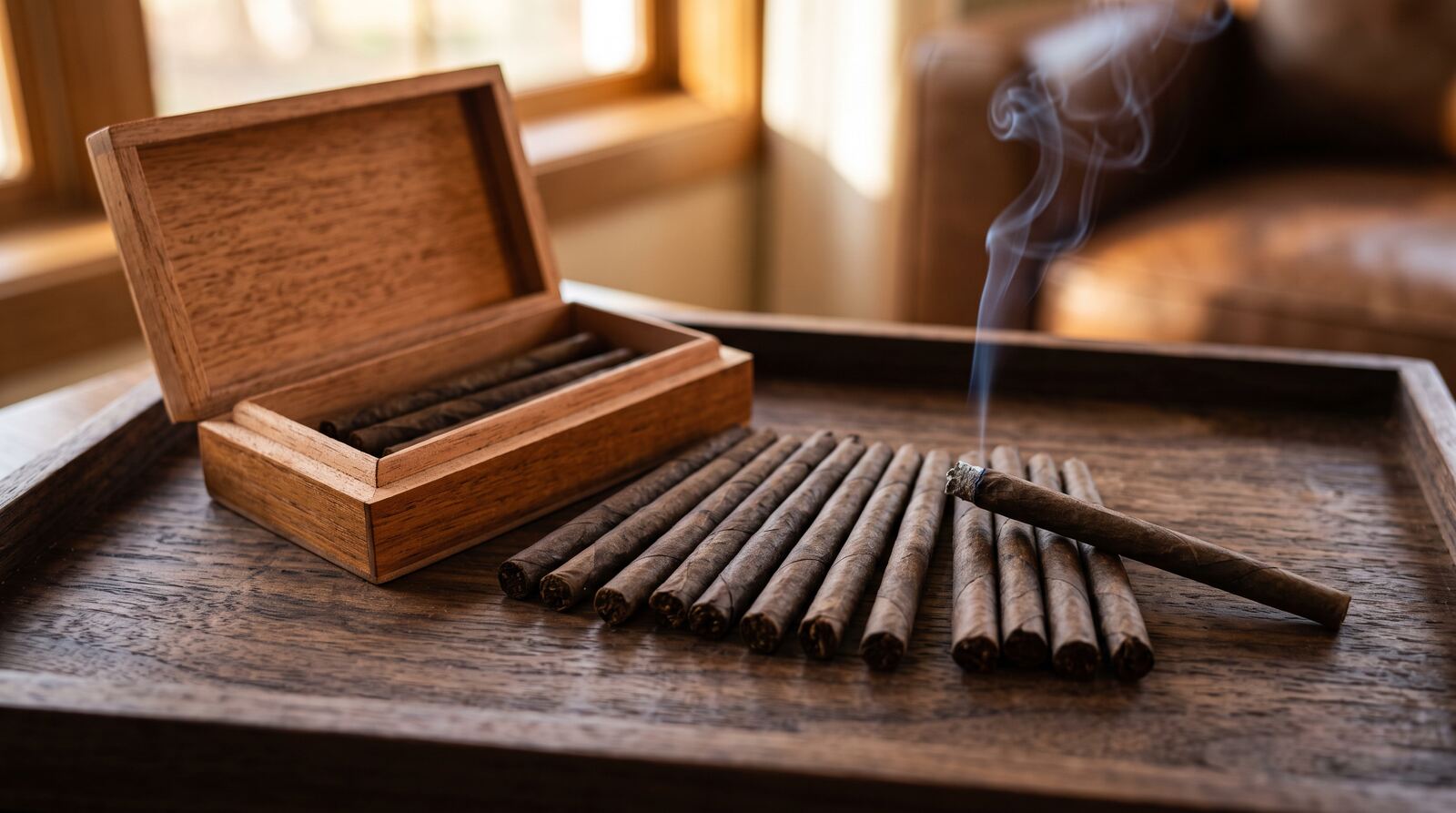
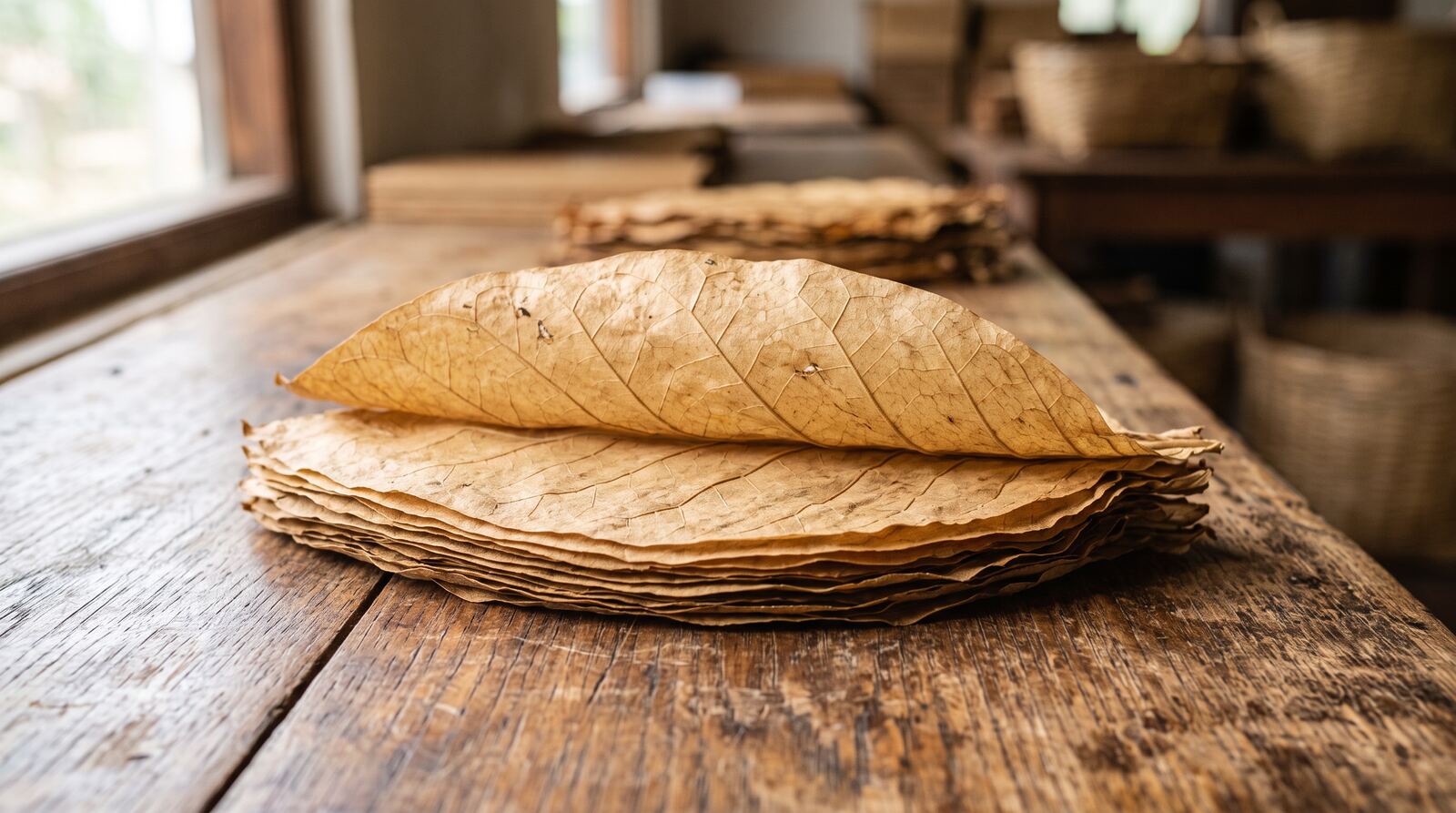



Where Premium Cigars Come From

Most premium cigars sold in the United States come from three countries. According to import figures reported by Cigar Aficionado, the U.S. imported about 429.8 million premium cigars in 2025:
Explore those regions in Nicaraguan cigars, Dominican cigars and Honduran cigar brands. Cuban cigars, sold as Habanos, remain off-limits to U.S. buyers; see are Cuban cigars legal in the U.S.
Browse Every Cigar Region
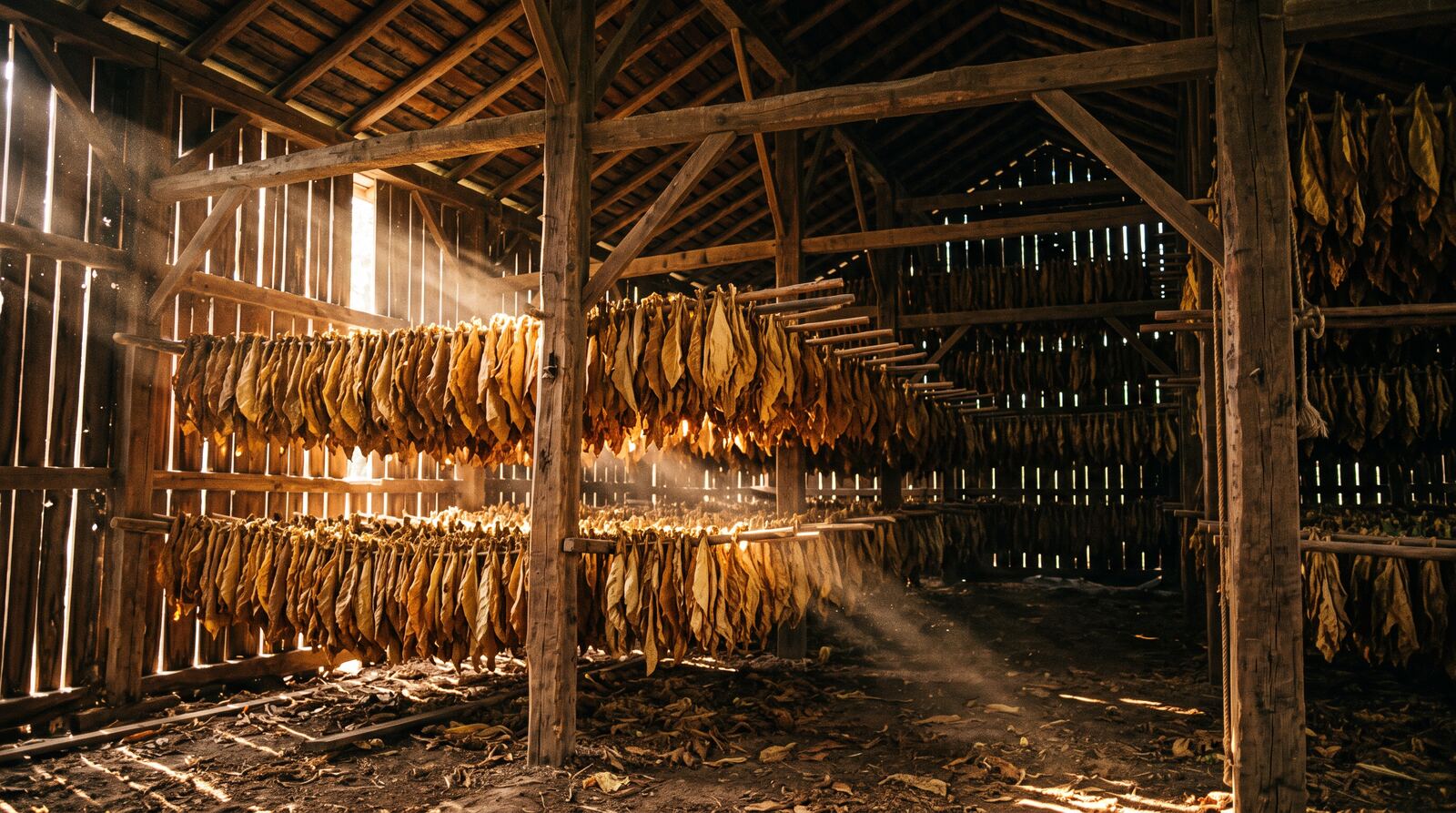
Our network covers growing regions, cigar cultures and smoking rules on six continents, plus practical guides to accessories, sizes and gifts.
North America
Kentucky CigarsFire-cured tobacco countryLouisiana CigarsPerique & Gulf Coast leafNew York CigarillosBig Apple cigarillo cultureCanada CigarillosCanadian cigar guideCigars MexicoSan Andrés wrapper leafCentral America & Caribbean
Cigars Central AmericaRegional cigar guideCigars HondurasDanlí & Jamastrán valleyCigars PanamaPanama cigar guideCigars CaribbeanIsland cigar heritageDominican CigarillosCibao valley leafDominican Cigar ToursFactory & farm toursCigarillos CubanCuban cigar historySouth America & the Americas
Cigars South AmericaBrazil & Ecuador leafCigars AmericasCigars of the AmericasEurope
Cigar EuropeEuropean cigar guideCigars SpainSpanish cigar cultureCigars FranceFrench cigar cultureCigars NetherlandsDutch cigar traditionCigars AmsterdamAmsterdam cigar sceneCigars GermanyGerman cigar guideCigars RussiaRussian cigar guideCigars EurasiaEurasian cigar guideAsia & Middle East
Cigar Middle EastGulf cigar loungesCigar IndiaIndian cigar guideChina CigarillosChinese cigar marketCigars AsiaAsian cigar guideCigars JapanJapanese cigar cultureCigars IndonesiaJava & Sumatra leafCigar Basics
How Cigars Are Made
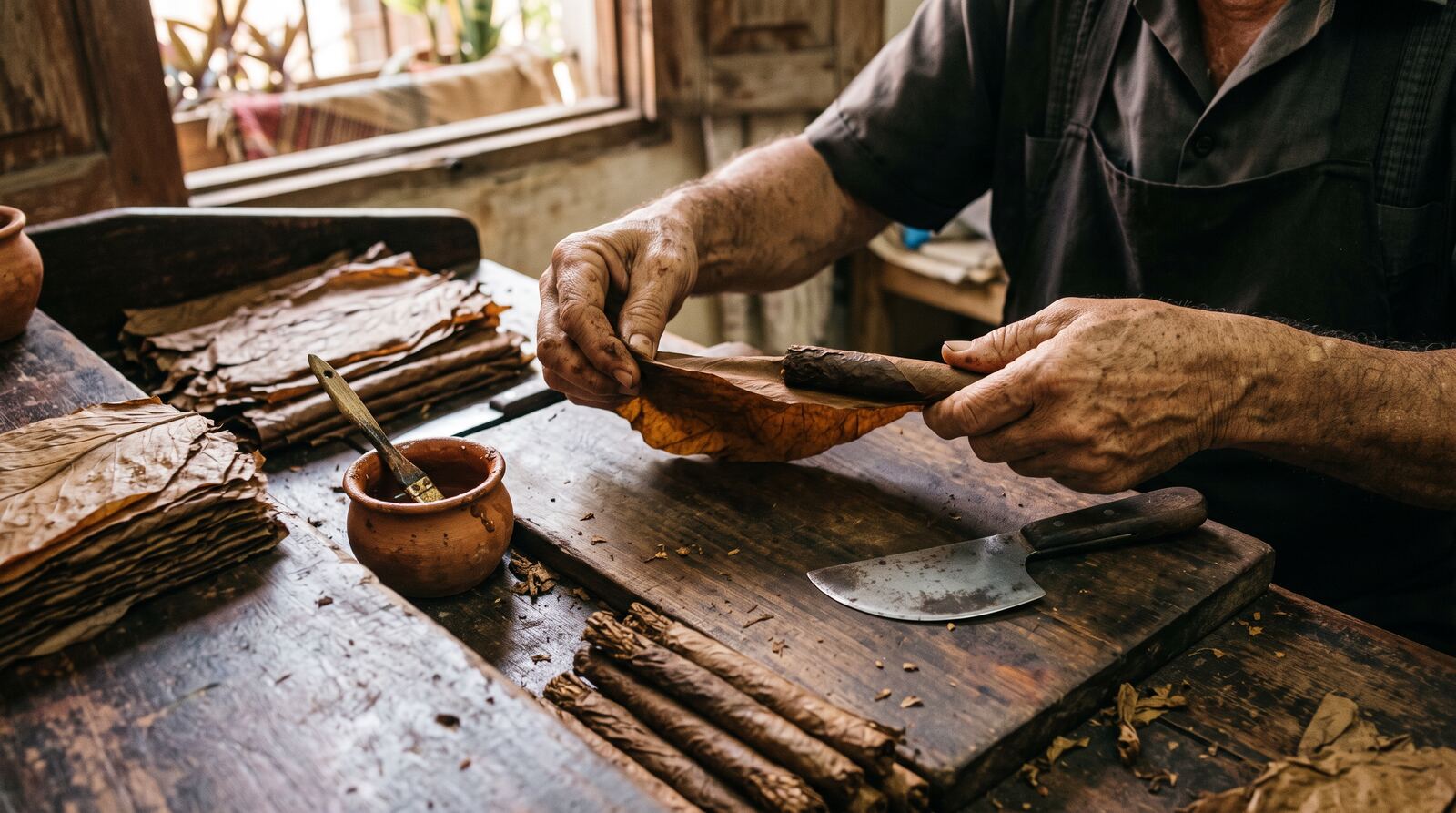
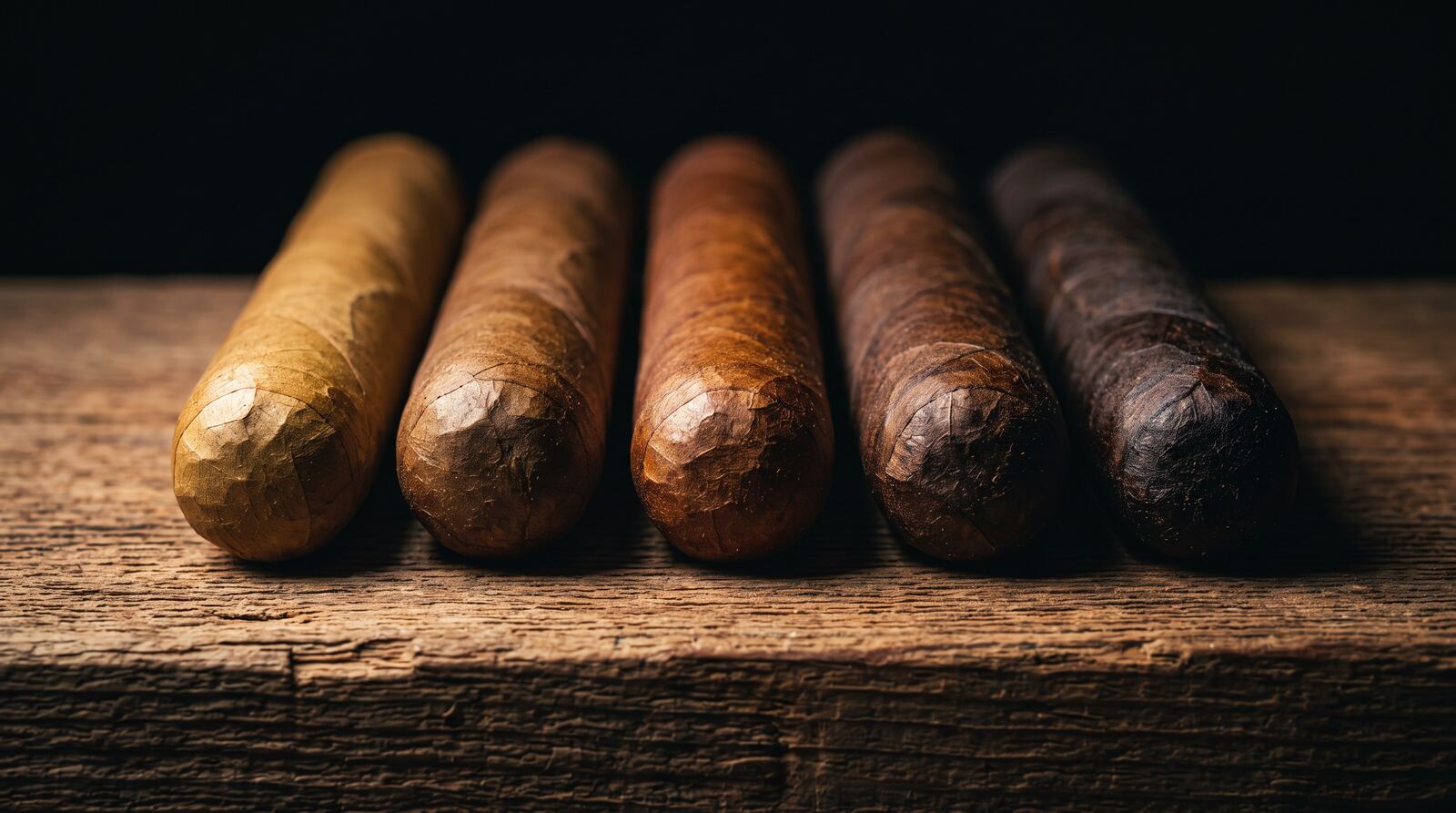
A premium cigar has three parts: filler, binder and wrapper. The leaf is grown, harvested, cured, fermented and aged before it is rolled by hand. Learn the steps in how cigars are rolled and compare cigar wrapper types, from Connecticut shade to maduro.
Choosing a Size
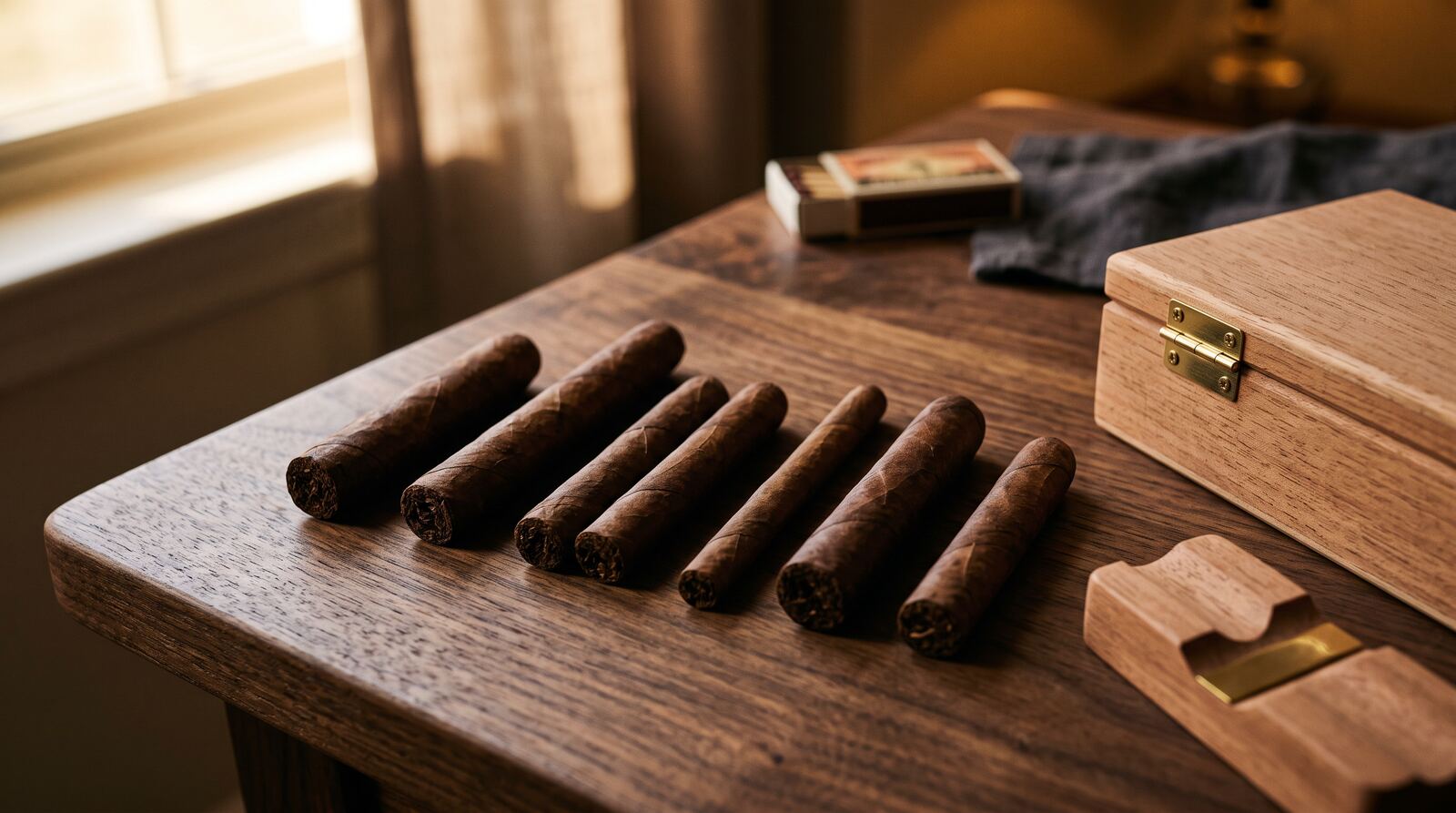
Cigars are measured by length in inches and ring gauge in 64ths of an inch. A short petit corona might take 20–30 minutes; a large Churchill can last well over an hour. See our cigar size guide.
Storing Cigars
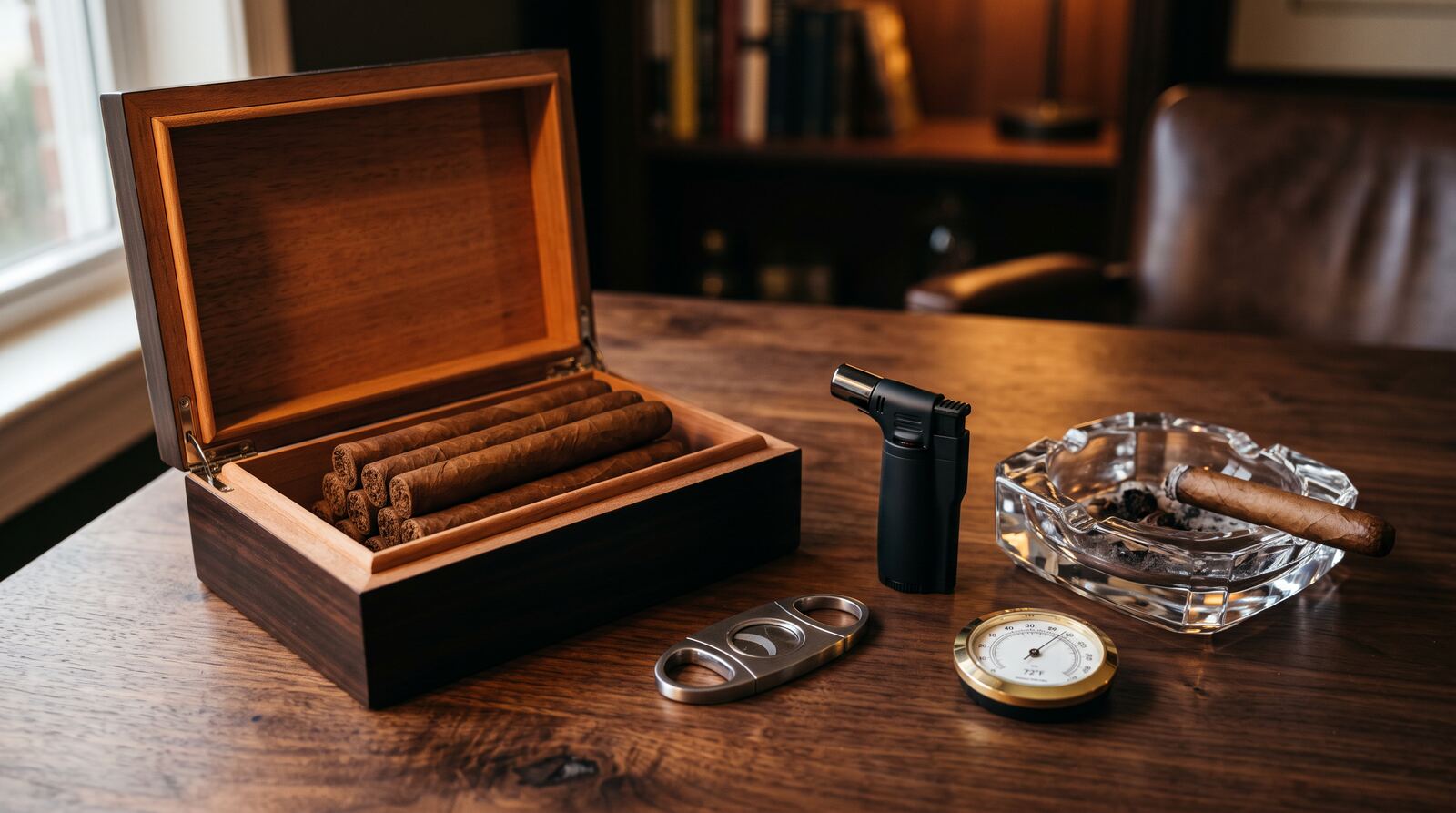
Premium cigars keep best at around 65–70% relative humidity and room temperature. A seasoned humidor with a two-way humidity pack is the easiest way to get there. Read cigar humidors explained and how to season a humidor.
Cutting and Lighting
A clean cut and an even light make a real difference to how a cigar smokes. Compare guillotine, punch and V-cuts in our cigar cutter guide, and torch, soft-flame and cedar options in cigar lighters.
Giving Cigars as a Gift
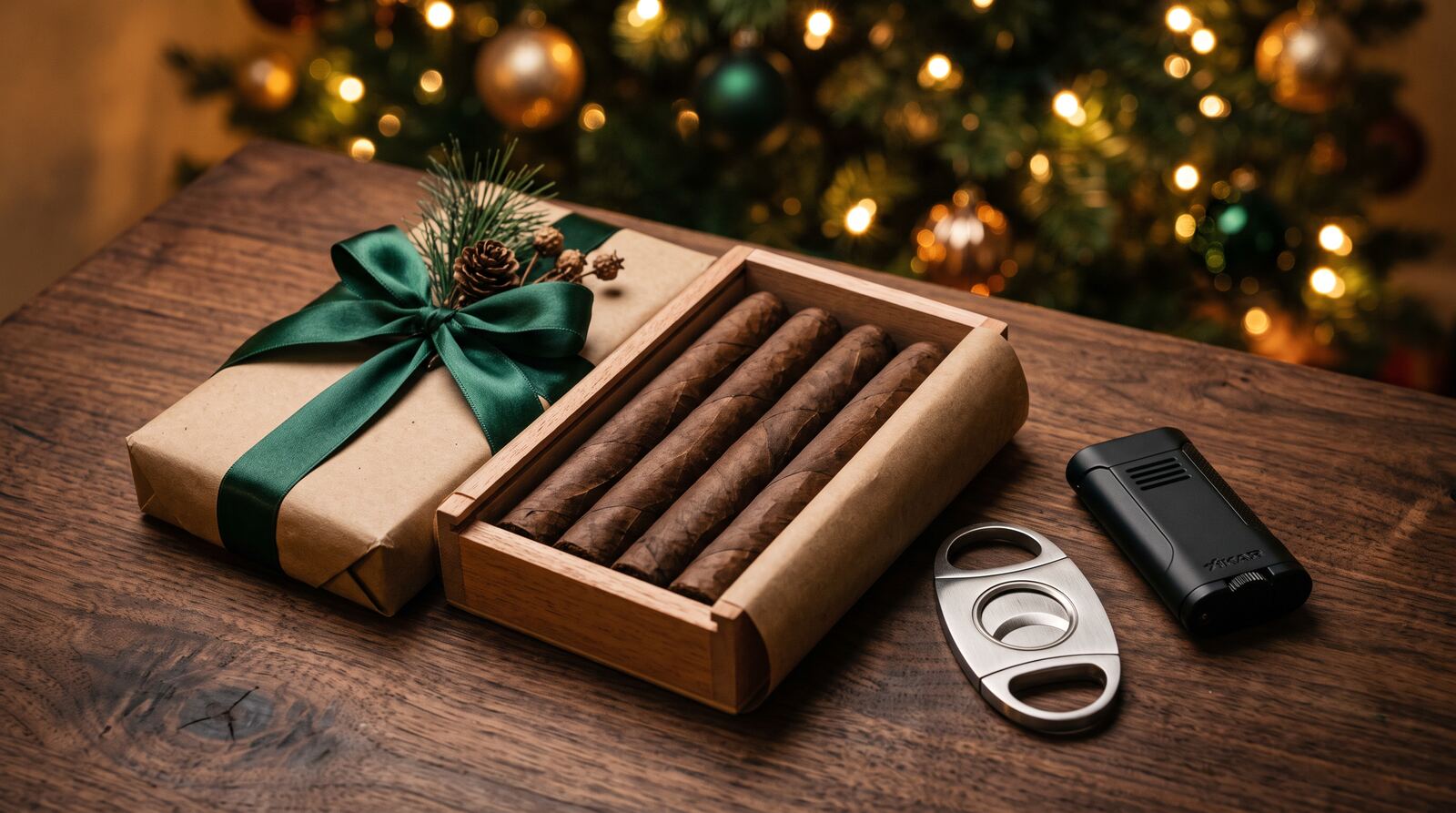
Not sure what to buy a cigar lover? Our cigar gifts by budget guide covers accessories and samplers at every price point.
Our Editorial Standards

- Fact-checked: laws, taxes, dates and statistics are checked against official or primary sources and dated.
- Independent: we are not owned by any cigar maker or retailer, and no brand pays for placement.
- Transparent: if a page contains affiliate links, they are clearly labeled. Read our affiliate disclosure.
- Corrected: when we find an error, we fix it. See our editorial standards.
Enjoy Responsibly
Cigars are for adults. You must be 21 to buy tobacco in the United States, and age limits and smoking rules differ in other countries. Cigar smoking carries real health risks, including cancers of the mouth, throat and lungs, even if you do not inhale. Our guides describe tobacco culture and history; they are not an endorsement of smoking.
Frequently Asked Questions
Does Cigars North America sell cigars?
No. Cigars North America is an independent informational guide for adults 21 and over. We do not sell tobacco.
Where do most premium cigars come from?
Nicaragua, the Dominican Republic and Honduras. In 2025 Nicaragua supplied about 60% of U.S. premium cigar imports.
Can I buy Cuban cigars in the U.S.?
No. Cuban-origin cigars cannot legally be imported into the U.S., including by travelers for personal use.
How should I store cigars?
In a seasoned humidor at about 65–70% relative humidity and room temperature, ideally with a two-way humidity pack.
What is the difference between a cigar and a cigarillo?
Cigarillos are smaller and thinner, usually machine-made and quick to smoke; premium cigars are larger and often hand-rolled from long-filler tobacco.
How do you choose which cigar regions to cover?
We cover every major growing region and the cigar cultures of key countries, and expand guides based on what readers search for most.